Long before executive coaching, personality frameworks, or the explosion of modern self-development literature existed, individuals observed the moments that caused tension in personal interactions, trade, and diplomacy.
They sought fair and balanced solutions that preserved everyone’s dignity while gently guiding behavior toward empathy, respect, and consideration for others and the environment.
To maintain balance and preserve everyone’s dignity, they began adopting shared behavioral norms, some as expressions of sophistication or social class, but most out of the necessity to regulate interactions and promote mutual understanding.
These became known as the rules of etiquette or good manners.
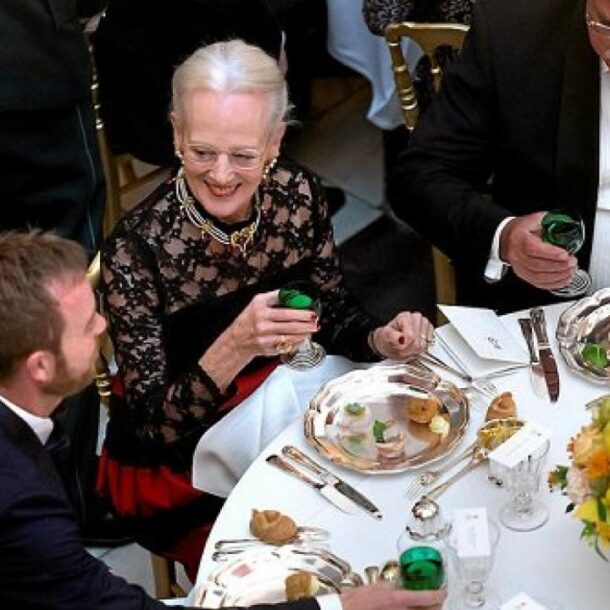
They define what is regarded as acceptable, respectful, and appropriate conduct in various contexts, whether in dining, conversation, professional environments, or even online communication.
Etiquette carries deeper meanings: symbols and traditions passed down from our ancestors. These customs embody moral and cultural codes, representing the path societies have taken, and reflect the evolution of interpersonal relations within them.
For instance, the handshake we see today as a casual greeting originally symbolized trust and the sealing of one’s word.
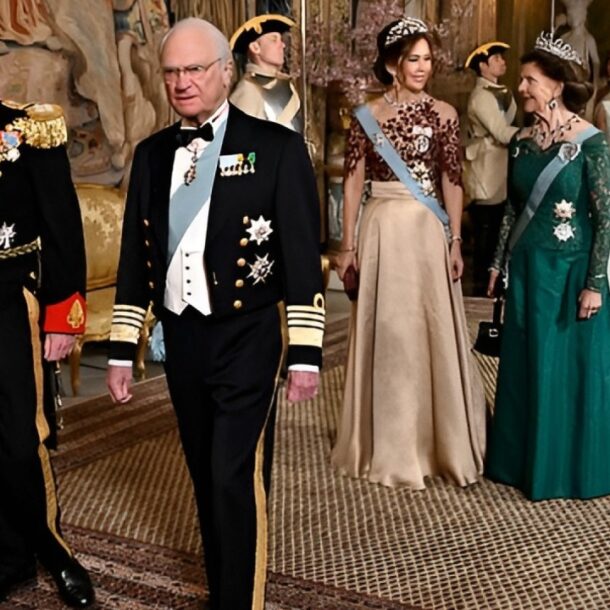
White-tie attire tells the story of social gatherings and the respect people once showed for art and performances.
Even the sandwich carries meanings of history, named after John Montagu, the Earl of Sandwich, who was so fond of gambling that he ordered meat placed between slices of bread so he could continue playing cards without interruption.
The “right side” rule also reveals historical meanings: men used to carry their weapons on the left, leaving the right hand free for greetings or peaceful interaction.
Such examples show that etiquette is not only useful in modern life but also preserves heritage and cultural meanings.
Most importantly, etiquette reflects values, cultural narratives, and meanings that, unfortunately, are often overlooked in our daily lives today.
By studying the customs of a particular society, we can gain a better understanding of its culture and the many messages and meanings carried through its traditions.