The word tiara today evokes images of sparkling hair ornaments, yet its origins reach back to ancient empires, where it stood as a powerful emblem of rank, status, and supremacy.
In ancient Greece, golden fillets and wreaths of laurel, wheat, or flowers adorned the heads of gods, athletes, and people of distinction at weddings and feasts. The Romans continued the tradition, but with the rise of Christianity, these symbols of classical grandeur faded from view.
Centuries later, during the 18th century, tiaras as we know then began to flourish again. Advances in gem-cutting allowed artisans to move beyond simple gold bands to create elaborate pieces set with diamonds and precious stones. The tiara became not only a jewel but a statement of affluence, artistry, and refinement, worn by queens, aristocrats, and the newly elevated elite alike.
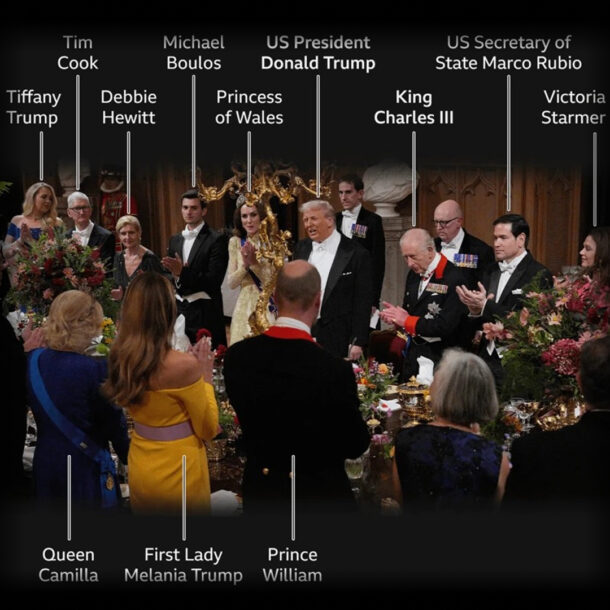
The late 19th and early 20th centuries marked the true golden age of tiaras. With diamonds newly abundant and hairstyles suitably voluminous, they were the ultimate adornment at courts, balls, and state occasions.
Etiquette dictated that tiaras were to be worn only by married women, with the exception of princesses by birth, thus making them a symbol not just of elegance but of tradition and dignity.
When to Wear a Tiara?
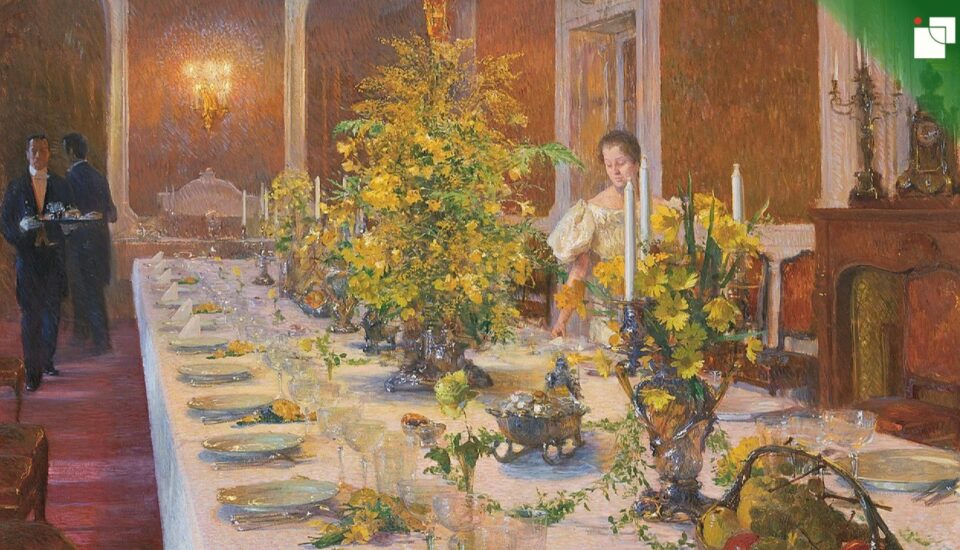
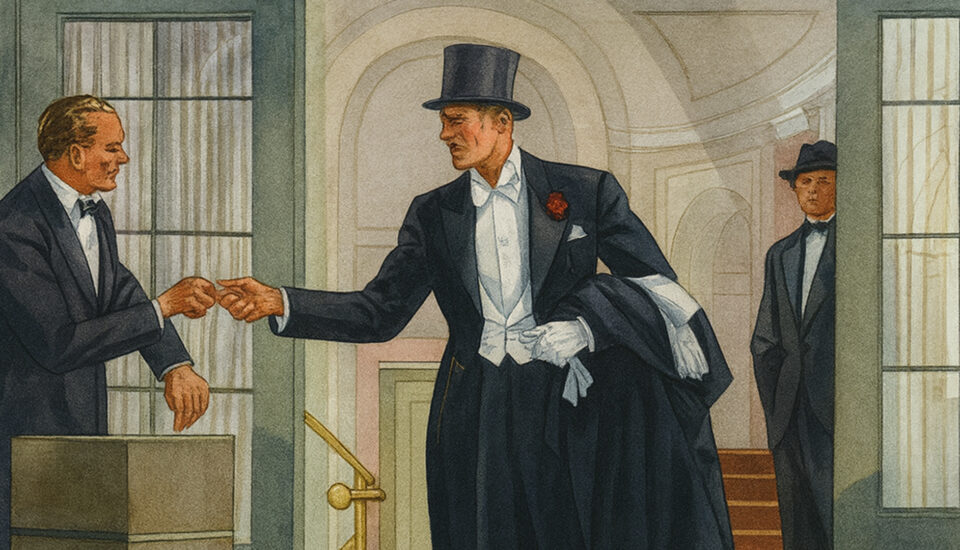
Traditionally reserved for weddings, white-tie dinners, balls and state occasions, recently we see that all these boundaries getting blurred.
Wearing a tiara today is not a question of rank, but a matter of judging whether it is appropriate for the occasion.
Treasured Collections
Today, some of the most remarkable collections of tiaras belong to royal families:
- The British Royal Family is believed to hold one of the world’s largest collections. While no official number has ever been released, experts estimate anywhere from around 40 to more than 50 pieces.
- The Romanovs of Russia once owned an extraordinary trove of tiaras and jewels. Many were lost or sold after 1917, but part of this heritage remains preserved in Moscow’s Diamond Fund at the Kremlin Armoury.
- The Danish Royal Family guards spectacular heirlooms, such as the famous Pearl Poiré tiara, while Sweden’s Bernadotte jewels are showcased regularly at Nobel banquets and state ceremonies.
- The Iranian Royal Family’s jewels, including several magnificent tiaras, are housed in Tehran’s Treasury of National Jewels, one of the most dazzling state collections in the world.