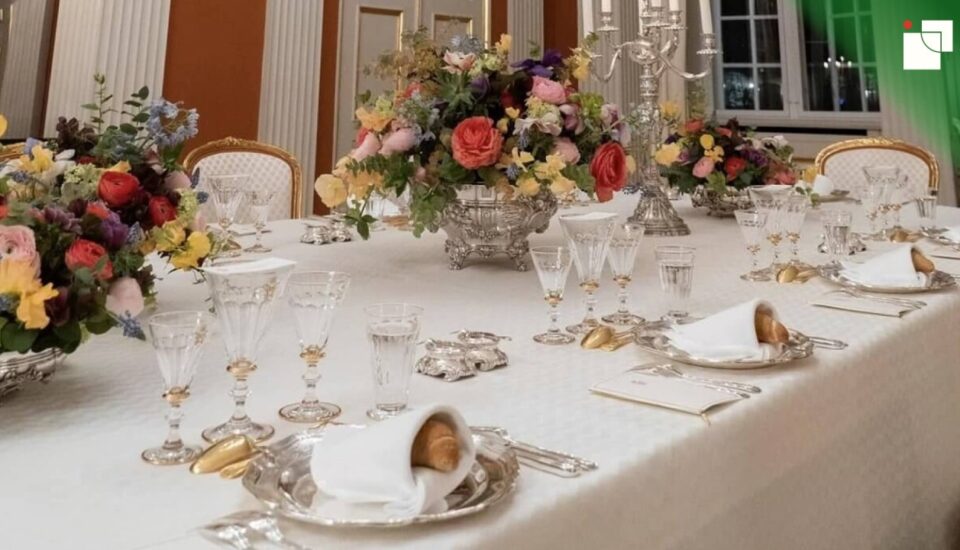


The Power of the Table: How Seating Shapes Respect and Ritual
October 29, 2025
Legend has it that the round table was first introduced by King Arthur. The legendary monarch gathered his knights around a circular table to discuss matters of importance, a symbol of equality, where every voice held the same weight.
Centuries later, this format still thrives. Round tables continue to be favored in politics, business, diplomacy, and social gatherings alike. Why? Because the lack of corners promotes easy conversation, a sense of intimacy, and visual equality among participants.
By contrast, rectangular dining tables offer a more formal and structured setting. They are ideal for larger gatherings, ceremonial events, or formal dinners where hierarchy and space matter. The long sides accommodate more people, and the head and foot of the table subtly emphasize authority and status.
Why Seating Etiquette Matters
Regardless of the shape of the table, proper seating arrangements are crucial for maintaining protocol, honoring guests, and ensuring smooth interaction.
Done right, seating becomes a language of respect.
Seating for Working Events
At business lunches, diplomatic dinners, or other professional gatherings:
- The guest of honor is usually seated directly across from the host or hostess.
- The next highest places of honor are:
- Spouses or partners are typically not included in working events, unless the host chooses otherwise.
This arrangement keeps attention focused and reflects professional hierarchy while remaining respectful and efficient.
Seating for Social Events
At more relaxed, social dinners or celebratory gatherings:
- The guest of honor is usually seated to the right of the host or hostess.
- If there is a co-host, they may be seated directly across from the host to help balance the table and manage conversation.
- The next highest places of honor are:
- Alternating men and women is often practiced, though this is a matter of personal preference rather than rule.
This structure helps guests feel cared for and naturally supports flow and interaction, especially at round tables.
Other Key Guidelines to Keep in Mind:
- The host and guest of honor are the focal points; higher-ranking guests should be seated closest to them.
- The last seat at the table should preferably not be given to a female guest.
- The host should ideally sit with their back to the door, especially in formal settings.
- Balanced numbers are preferred: 6, 10, or 14 guests, avoid 13.
- Strive for equal numbers of men and women when alternating placements.
- When no formal ranks exist, use professional background, personal connection, or conversation compatibility as your guiding logic.
Seating isn’t just logistics, it’s a message. It shows thoughtfulness, reinforces hierarchy without tension, and creates an environment where respect, harmony, and enjoyment can flourish.
Whether you’re hosting a diplomatic lunch, a team dinner, or a private soirée, where and how your guests are seated speaks volumes.
Related Articles