

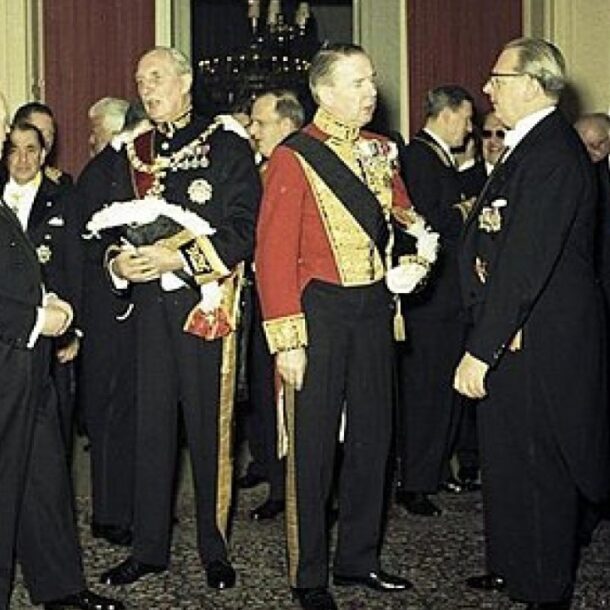

Compliments in the workplace carry more weight than their brevity suggests.
In Western business culture, the way we give and receive compliments can influence how we’re perceived. Although social norms have evolved, a few principles still remain helpful, especially in the workplace.
Traditionally, complimenting someone’s home, clothes, or belongings was seen as drawing attention to material status. While expectations are more relaxed today, it’s still wise to avoid overemphasising material objects, particularly in professional environments.
A meaningful compliment is timely and genuine. Specific remarks, such as praising someone’s well-executed presentation or thoughtful leadership, tend to resonate far more than general statements like “It was nice!”
Responding to a compliment with an immediate mirror-compliment, “I love your tie!” answered with “Yours is great too!”, can come across as insincere. A simple, confident “Thank you” is both appropriate and gracious.
In the workplace, it’s best to recognise work-related achievements rather than comment on physical appearance. For instance:
✔ “You handled that client conversation exceptionally well.”
✖ “You look great today.”
For close colleagues you also socialise with, this guideline can be applied with more flexibility, but thoughtfulness should always come first.
Downplaying or dismissing a compliment — “Oh, it was nothing” or “This simple thing?” — may feel modest, but it diminishes the giver’s gesture. A sincere “Thank you” is the most professional response.
The instinct to deflect is understandable. Accepting praise directly can feel like self-congratulation. But a compliment is an offering, and refusing it places the giver in the position of having to insist. “Thank you” completes the exchange; deflection prolongs it.
The guidance above reflects Western professional convention. Elsewhere, the conventions differ considerably, and the differences are a well-documented source of misunderstanding.
In many East Asian business cultures, modesty rather than acceptance is the polite response. Deflecting a compliment, or redirecting the credit to colleagues or circumstance, signals humility rather than dismissal. Research comparing Japanese and American speakers has found that each can read the other as insincere: the American response appearing exaggerated, the Japanese response appearing implausibly self-effacing.
Because the act of complimenting looks superficially identical across cultures, the difference is easily missed. A few practical considerations:
Compliments, when used thoughtfully, strengthen relationships, build confidence, and contribute to positive workplace culture. Focus on the other person, keep your message sincere, and let appreciation be an authentic part of your communication style.
In Western professional settings, a simple and sincere “Thank you” is the most appropriate response. Adding a brief acknowledgement of others who contributed is gracious; dismissing the compliment altogether diminishes the gesture.
Generally not in a professional context. Recognising work, a decision well made, a presentation well delivered, is both safer and more meaningful. Among close colleagues who also socialise, there is more latitude, but judgement still applies.
Because the reflex suggests the response was prompted by the exchange rather than by genuine observation. Accepting the compliment first, and offering your own remark at a separate moment, reads as more considered.
Knowing what to say, and what a response signals, is part of a broader competence in professional interaction. Our CPD-accredited online course Foundations of Social & Cultural Etiquette covers first impressions, introductions, and the cross-cultural conventions that shape how professional courtesy is understood in different settings.
Self-paced, with lifetime access and a professional certificate on completion.