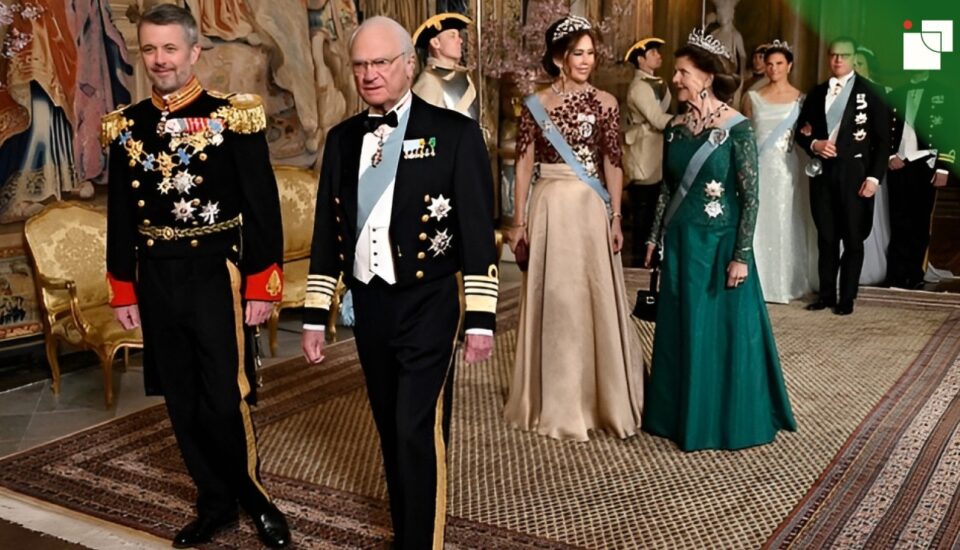



Diplomatic dress codes are among the most visible conventions in international protocol, and among the most easily misjudged.
In diplomacy, appearance is never superficial. What a diplomat wears is not merely a personal choice, it is a reflection of the office, the country, and the culture they represent. Dress codes in diplomatic life function as a silent yet powerful language, communicating respect, dignity, and cultural awareness.
Until the late 18th century, diplomats, often members of the high nobility, wore their personal court attire at official functions. The concept of a standardised diplomatic uniform emerged in France in 1781 and spread across Europe around 1800, during a period of administrative reform shaped by the French Revolution and the Napoleonic Wars.
These uniforms, inspired by court dress, were among the first civilian uniforms adopted in several countries. Beyond practicality, they served an important symbolic purpose: emphasising the significance of the diplomatic office while de-emphasising the individual. The earliest French uniforms, blue cloth coats with red lining, red waistcoats and breeches, buttoned with the king’s arms, used the density of gold braid to denote rank. Although most countries abandoned diplomatic uniforms during the 20th century, some still retain them today for rare and highly formal occasions.
In international relations, a diplomat does not represent only themselves, they embody their nation. Dress etiquette therefore plays a crucial role in projecting a country’s social image, cultural heritage, and moral values.
Appropriate attire conveys dignity, elegance, wisdom, and cultural refinement. It reflects the progress of civilisation itself, as etiquette, especially dress etiquette, is one of the most visible expressions of mutual respect in global engagement.
Diplomatic life is filled with protocol-driven events: lunches, receptions, conferences, national celebrations, and state dinners. Invitations almost always specify a dress code, and following it correctly is essential. Inappropriate attire may unintentionally signal disrespect to the host and fellow guests.
A useful guiding principle is simple: the more ceremonial the occasion and the later it takes place in the day, the more formal and sophisticated your attire should be.
Time, venue, and occasion often referred to as TVO, should always be considered.
Also known as “full evening dress”. French: tenue de soirée, sometimes frac or cravate blanche.
Context and timing: Rare today; worn at royal and diplomatic events such as state banquets in Britain, Spain and the Netherlands. Never before 6 p.m., strictly evening wear.
For men:
For women:
UK: “black tie” or “dinner jacket”. US: “tuxedo”. French: cravate noire.
Context and timing: Evening wear, after 6 p.m., or earlier at American weddings. Common at gala dinners, awards ceremonies, cocktail parties and official evening events.
For men:
For women:
The smartest formal daywear. UK: “morning dress” or “morning coat”. Europe: “afternoon dress”. French: jaquette.
Context: Seen at Royal Ascot in the Royal Enclosure, smart race meetings, royal garden parties, state funerals, state visits, and royal or society weddings. May extend into the evening if the event began during the day.
For men:
For women:
More often called “business suits” today. French: tenue de ville.
For men:
For women:
An ambiguous category, often used for dress-down Fridays. The aim is presentable but not too formal.
For men:
For women:
Between formal and festive.
Context: Evening events after 6 p.m. A hybrid: polished but relaxed, elegant yet comfortable. Common at diplomatic receptions, celebrations and protocol events.
For men: Suit and tie, similar to a lounge suit but styled for evening.
For women: Knee-length dresses, elegant and evening-appropriate. Festive fabrics such as sequins and beading are permitted, but daytime styles are not. Sophisticated without extravagance, if more back is shown, less front, and vice versa. Accessories should enhance without overwhelming.
Traditional national costumes deserve special mention. Rich in symbolism and craftsmanship, these garments represent cultural identity and heritage. Often hand-embroidered over countless hours, they are typically worn on National Days or at events where such attire is specified. When diplomats gather in traditional dress, the result is a powerful and beautiful display of global diversity.
Diplomatic dress codes are not about vanity, they are about respect, representation, and responsibility. By dressing appropriately, diplomats honour their hosts, uphold their nation’s image, and contribute to the culture of mutual understanding that defines successful international relations.
In diplomacy, what you wear speaks, long before you do.
White tie is the more formal of the two: a black or midnight blue tailcoat with a hand-tied white bow tie, worn only after 6 p.m. and now largely confined to state banquets and royal occasions. Black tie means a dinner jacket with a black bow tie, and is standard for gala dinners and official evening events.
Time, venue and occasion. The three factors that determine appropriate attire. As a general principle, the later in the day and the more ceremonial the occasion, the more formal the dress.
Consider the time, venue and nature of the event, and where genuine doubt remains, ask the host or protocol officer. Dressing slightly more formally than required is almost always the safer error.
Traditional national dress is generally regarded as equivalent to the highest formality and is welcomed at National Day events and occasions where it is specified. Where an invitation names a Western dress code, it is worth confirming with the host in advance.
Dress codes are one element of a wider protocol framework governing conduct at official events. Our CPD-accredited online course Foundations of Business & Diplomatic Protocol covers order of precedence, forms of address, flag and seating arrangements, and conduct at official occasions.
Self-paced, with lifetime access and a professional certificate on completion.